
 Image 1 of 1
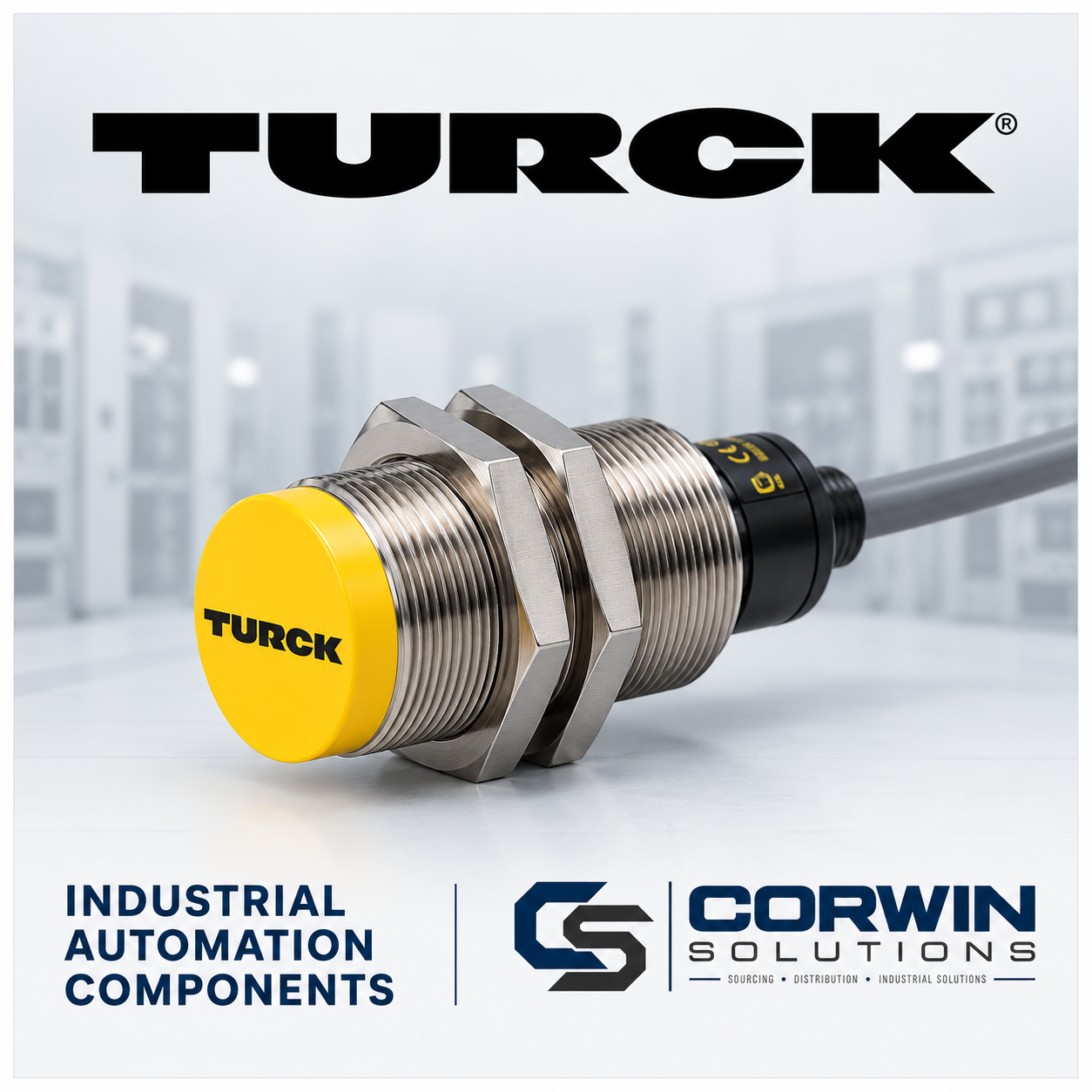
Turck BI10-M30-AP6X-H1141 Inductive Proximity Sensor is a non-contact metal-detection sensor used for position confirmation, part presence, end-of-travel sensing, counting, and machine-state feedback. Inductive sensors are among the most frequently replaced field devices in automation because they are mounted close to moving tooling, fixtures, conveyors, and machine mechanisms.
This page is for the exact Turck model BI10-M30-AP6X-H1141, ident number 46175. Turck specifies an M30 threaded metal housing, flush mounting, 10 mm rated sensing distance, 10 to 30 VDC operating voltage, and a PNP normally-open three-wire output with an M12 connector.
Key technical details
Why the exact suffix matters: Inductive sensors that look nearly identical can differ in sensing distance, flush/non-flush mounting, PNP versus NPN output, normally-open versus normally-closed logic, connector type, and body length. Any of those differences can cause a replacement to fail electrically or mechanically even if it threads into the same bracket.
Typical applications include detecting steel targets on conveyors, confirming cylinder or slide positions with metal flags, counting metal components, detecting fixture position, monitoring machine doors or mechanisms, and providing end-position feedback in harsh industrial environments.
Need a Turck BI10-M30-AP6X-H1141? Send Corwin Solutions the quantity, required condition, and delivery deadline. If you are open to a cross-reference, include the target material, mounting style, output type, connector, supply voltage, and required sensing distance so a proposed alternative can be evaluated correctly.